
Learn Proven Mental Skills for Success in Sports
(Contact Dr. Cohn for Media Requests)
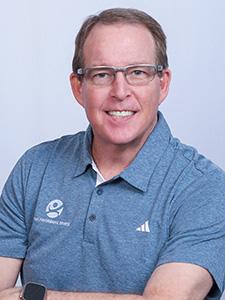
Dr. Patrick J. Cohn is one of the most experienced mental performance coaches in the world, with over 40 years of mental performance coaching experience and more than 1,000 athletes coached across youth, collegiate, and professional sports.
Dr. Cohn holds a Ph.D. in Applied Sports Psychology from the University of Virginia (1991), an M.S. in Applied Sports Psychology from California State University, Fullerton, and dual bachelor’s degrees in Exercise Science/Physical Therapy and Psychology from the State University of New York at Buffalo. He is also the creator of the Mental Game Coaching Professional (MGCP) Certification, the leading training program for mental performance coaches.
Dr. Cohn studies at CSUF with esteemed sports psychologist Dr. Ken Ravizza. He then went on to study with Dr. Bob Rotella at The University of Virginia when he earned a Ph.D. in Education.

He founded Peak Performance Sports, LLC in Orlando, Florida in 1996. Over his career, he has worked one-on-one with athletes at every level, including NFL players, PGA Tour professionals, Olympic athletes, NHL players, motocross champions, and winners on the NASCAR curcit, as well as thousands of collegiate and youth athletes. Named clients include the Miami Dolphins coaching staff, PGA Tour winner Brian Watts, and PGA Tour player J.L. Lewis.
Dr. Cohn has authored more than 25 books and workbooks on sports psychology, making him one of the most published experts in the mental performance field. His research involved interviewing thousands of athletes to develop strategies for entering the performance zone faster and sustaining it longer. Peers in the field regard him as a leading authority on pre-performance routines and the psychology of peak performance.
His work has been featured on CNN, Fox News, MSNBC, and the Golf Channel, where he served as a sports commentator. He has been a featured columnist for Golf Digest, Golf Magazine, and PGATour.com, and has been cited in USA Today, Men’s Health, and The Inertia.
PGA Tour professional Brian Watts, a 12-time winner on the Japan Tour, has said: “Dr. Patrick Cohn’s mental preparation strategies have been very helpful in my career. He’s taught me how to practice with a purpose and to play well without worrying about perfect mechanics.”
Dr. Cohn in the Media
Dr. Cohn has also worked with major corporations such as IBM, Canada and USA Today. He also participated in USA Today’s “Soul of a Champion” series and developed the “Soul of a Champion Test.” He was also featured as the mental game expert on Versus network.
Dr. Cohn has authored several CD and workbook programs, such as his best-selling series, The Confident Athlete CD Series and The Confident Sports Kid CD Series. Visit our Sports Psychology Proshop for more information about mental training programs for athletes, coaches, and sports parents.
Sports Psychology Certification
Dr. Patrick Cohn is the creator of the Mental Game Coaching Professional Certification program. He helps sports coaches, life coaches, and sports psychology professionals expend their mental game coaching practice.
If you need an expert’s answer for your mental game question, Dr. Cohn would be happy to answer you via email: Contact Dr. Cohn today!
Get Live Coaching with Dr. Cohn, Mental Performance Coach
Watch a live sports psychology coaching session with Dr. Patrick Cohn. Here, he teaches the steps in a pregame mental preparation routine…
Contact Us | In the Media | Success Stories | Athletes and Clients | Mental Performance Coaches
Last Updated on June 7, 2026