

How a Mental Performance Coach Can Help Athletes Improve
In the competitive world of sports today, athletes and coaches seek a mental edge over the competition. And a Mental Performance Coach is important to athletes’ success in sports. In this article, you’ll learn about the role of a mental performance coach for athletes’ performance.
For athletes, a fine line separates finishing first from finishing second… Making a high school team or just barely being cut… Being a starter or on the bench… Achieving a personal record or falling a little bit short.
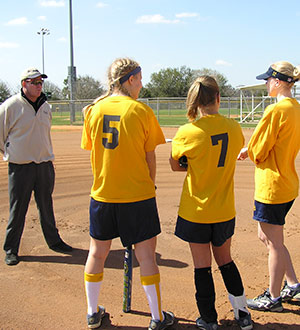
Athletes invest a lot of money, time and energy practicing, working hard, lifting weights, conditioning, changing diet, working on technique and buying the best equipment. All these physical training routines help improve performance. Working on all the physical aspects of your game are not enough to achieve peak performance. Peak performance requires a sound mental game. Mental skills contribute a great deal to peak performance, yet mental game performance is neglected by most athletes.
The development of mental skills doesn’t happen by chance. Mental skills need to be taught and honed through repetition and guidance by trained professionals, such as a Mental Performance Coach.
A Mental Performance Coach help athletes and teams develop the critical mental skills that optimize performance and give athletes a mental advantage over the competition! Only today are sports psychologists and mental performance coaches recognized by the majority of competitive athletes.
What is a Mental Performance Coach?
A Mental Performance Coach helps athletes develop mental skills to perform consistently well in competition. This is similar to a head coach who focuses on the physical and tactical components of sport. Mental Performance Coaches work with athletes one on one or in groups to identify their mental strengths and to break through mental barriers to improve their performance.

Mental Performance Coaches work with athletes of all abilities and ages. Mental Performance Coaches help athletes handle the rigors of training, cope with pressure in competitive situations, overcome high expectations, and perform consistently well so they can maximize their potential.
What is the Role of a Mental Performance Coach?
A Mental Performance Coach helps athletes on many levels, such as to improve mental skills such as confidence, cope with high demands of training, perform well under the pressure of competition, and overcome unexpected adversity that strikes throughout the season.
Competing is challenging. Athletes need to be mentally prepared to rise to challenges and overcome adversity. Mental Performance Coaches teach athletes specific mental skills and strategies to improve focus, develop stable confidence, manage performance anxiety, and learn how to deal with daily challenges of being a competitive athlete.

For example, an athlete may become anxious or fearful prior to a competition and have difficulty focusing… A Mental Performance Coach can help the athlete learn how to cope with fear of failure and other anxiety-producing thoughts. Athletes are regular people that are often under an irregular amount of stress or expectations.
Or an athlete may lose confidence or go into a slump after a few bad performances… A Mental Performance Coach or sports psychologist can help athletes learn mental strategies to have stable confidence despite results. But it’s not just about helping athletes who are experiencing problems or challenges. Mental Performance Coaches work with athletes to help prevent problems before those problems even start.
Athletes learn mental skills proactively that prepares them to perform well and improve consistency throughout the season. Athletes can develop mental game skills such as goal setting, practice efficiency, visualization, and focusing strategies or coping with distractions in the off-season to give athletes an edge before the season starts.
What mental skills does a mental performance coach teach?
Every action that an athlete takes has a mental component. That is why athletes benefit when working on their mental skills for sports. Mental Performance Coaches provide athletes with the mental tools for peak performance including:
- Goal-Setting – Goal setting is defining a well-define objective for the season. Goal setting should also include short-term goals, contingency plans, and a course of action.
- Focusing – Focusing is the ability to tune out distractions, negative thoughts, mistakes, excessive criticism, and crowd noise to immerse the athlete in the moment and focus only on the important cues to play their best in the NOW.
- Proactive Confidence – Confidence is the most profound contributor to performance. Confidence-building needs daily attention to feed and fuel the mind and body.
- Stable Motivation – Motivation can be problematic during slumps or a long-season but necessary to continue moving forward despite obstacles and challenges.
- Relaxation Skills – Relaxation is the ability to quiet the mind and body with just the right level ot intensity or excitement to be ready for action.
- Manage Pressure – Pressure is hard for many athletes to overcome. Fear of failure or the need to be perfect causes athletes to underperform at critical moments in competitions.
- Mental Rehearsal – Visualization is preparing the mind and body to function as one unit and mentally produce images of how you want to perform in the near future.
- Mental Toughness – Mental toughness is the ability to overcome adversity, learn from adversity, rise to the occasion and perform under future similar circumstances.
- Managing Expectations – Expectations from parents, coaches and teammates can interfere with an athlete’s ability to perform. Managing expectations from others allows you to stay focused throughout a competition.
- Trust in Skills – Trust in skills helps athletes take their practice game to competition and rely on what they trained–under the pressure of competition.
- Injury Recovery – After an injury, athletes may need help tolerating pain, adhering to their physical therapy regimen, getting back into action or adjusting to being sidelined.
- Satisfaction – Enjoyment should be the main reason why athletes choose to compete. But often sport becomes too serious and work-like for athletes to have fun. They feel to much pressure to succeed to have fun.
The general goal is to teach mental skills for sport and life necessary for athletes to achieve their potential on and off the field.
How do I become a certified Mental Performance Coach?
A certified Mental Performance Coach is a professional who has been educated, trained, and credentialed by an accredited individual or organization, such as the Association for Applied Sport Psychology (AASP) or Mental Game Coaching Professional (MGCP) Certification Program.
A certified Mental Performance Coach has met certain core competencies and is recognized has the certain qualifications and expertise in the field of mental training. The certification process serves as confirmation that you have specialized training in the mental aspects of sport and the ability to teach athletes how to optimize sport performance and well-being.
The MGCP certification program is a proven sports mental coaching and performance enhancement system to give you the coaching tools to help your athletes overcome mental obstacles and find “the zone.” Certification as a Certified Mental Game Coaching Professional (MGCP) demonstrates to athletes and coaches that a certified individual has met the highest standards of professional practice, including completing a combination of educational and work requirements, successfully passing a certification exam, agreeing to adhere to ethical principles and standards, and committing to ongoing professional development.
As a certified Mental Game Coaching Professional (MGCP), you’ll learn how to identify mental barriers, teach a proven mental skills system, and improve performance in competition. To become an AASP certified “Sport Psychology Consultant”, you will need to complete at least a masters degree in the field of Sport Psychology along with an extensive number of observed consultation hours and requirements under the guidance of another AASP certified Sport Psychology Consultant.
How do athletes work with a Mental Performance Coach?
Athletes should understand that mental training is not just for slumping athletes or elite athletes. Mental training is for athletes who want to improve mental skills for performance and take their game to the next level. Mental training helps good athletes become great athletes and great athletes become elite athletes.

Follow up session will help assess the athletes progress and adjust the plan as necessary. In essence, mental training is not a one-and-done proposition. For mental skills and performance to improve, a long-term commitment must be made to a mental training program.
When a Mental Performance Coach and athlete meet, an athlete assessment of mental assets and needs is a great jumping-off point. Following an assessment of the athlete’s mental game, an individualized mental training program can be created to focus on the development and implementation of mental skills into the athlete’s daily routine.
Mental Game Coaches work with athletes in several ways:

- One-on-one in-person sessions.
- On-site consultations at practices or competitions
- Phone sessions
- Skype/Zoom meetings
- Work via email, workbooks, or other exercises
- Consistency in mental training reaps the best results.
What can a mental performance coach do for teams?
Not only do Mental Performance Coaches work with individual athletes, they can provide a number of benefits for teams:
- Team Building – Developing team chemistry is essential for the entire team being on the same page and working towards a common objective. Playing as a team means putting the team’s goals over personal statistics.
- Effective Communication – Conflict is common, even among the best teams. Effective communication helps resolve conflict instead of allowing conflict to drive team members apart.
- Team Goal Setting – Setting effective, specific team goals and defining a plan to achieve those objectives.
- Team Confidence – While individual confidence is important, team confidence helps build trust among team members.
- Healthy Competition – Successful teams foster healthy competition, with each team member trying to raise the level of their teammates.
- Mental Toughness – Every season has its ups and downs, slumps and streaks, highs and lows. A mentally tough mindset helps teams overcome adversity while maintaining focus on seasonal goals.
Do you want to improve your performance with the help of a certified Mental Performance Coach? Peak Performance Sports, LLC offers several options for athletes of all ages and ability from in person coaching to live video coaching via Zoom, or Facetime. Please contact us today to learn more about sports psychology coaching for athletes and teams. Learn more at Peak Performance Sports:
Frequently Asked Questions About Mental Performance Coaching
What does a mental performance coach do?
A mental performance coach helps athletes identify and break through the mental barriers that are holding back their performance. Where a strength coach builds physical skills, a mental performance coach builds the psychological skills — confidence, focus, composure, trust in training, and resilience — that determine how well an athlete performs when it matters most.
At Peak Performance Sports, coaching follows a structured four-step system developed over 30+ years of working with athletes at every level. Each athlete receives a personalized mental game plan based on their specific challenges, then works weekly to apply mental skills tools — visualization routines, pregame preparation strategies, self-talk techniques, and focus cues — directly to competition.
What is the difference between a mental performance coach and a sports psychologist?
This is one of the most common questions athletes ask. A sports psychologist is typically a licensed clinical or counseling psychologist who applies psychological principles to sport — they are credentialed mental health professionals. A mental performance coach, by contrast, specializes in performance: building the mental skills (confidence, focus, trust, composure) that help athletes compete at their best.
At Peak Performance Sports, our coaches are Certified Mental Game Coaching Professionals (MGCPs).
They are not licensed psychologists and do not provide clinical mental health treatment. If an athlete is dealing with a clinical issue such as depression or anxiety disorder, we will refer them to the appropriate mental health professional. For athletes who want to sharpen their mental game and get a competitive edge, a mental performance coach is often the right fit.
How does virtual or online mental performance coaching work?
All coaching at Peak Performance Sports can be done completely online via Zoom, FaceTime, Skype, or phone — making it accessible to athletes anywhere in the world. Virtual coaching works exactly like in-person sessions: you meet with your certified mental performance coach weekly, work through your mental game plan, debrief recent competitions, and set mental skills assignments for the week ahead.
Athletes also receive exclusive audio programs and mental training workbooks to reinforce lessons between sessions. Most athletes find that virtual coaching is just as effective as in-person coaching — and far more convenient, especially for athletes who travel frequently for competition.
How long does it take to see results from mental performance coaching?
Most athletes begin noticing shifts in their mindset and competition confidence within the first 3–4 sessions. Lasting, deeply ingrained mental skills — the kind that hold up under the biggest pressure moments — typically develop over 8–12 weeks of consistent weekly coaching.
The timeline depends on the athlete’s starting point, how committed they are to applying mental skills between sessions, and how frequently they compete. Athletes who fully engage with their workbook exercises and pregame routines between sessions tend to see results faster than those who only show up for sessions.
What mental skills will I develop through coaching?
Through our mental performance coaching program, athletes develop a complete set of mental game skills, including:
- Confidence — building proactive, self-generated confidence that doesn’t depend on recent results
- Concentration and focus — staying in the present moment, blocking out distractions, and refocusing after errors
- Trust — letting go of over-analysis during competition and trusting what you’ve practiced
- Composure under pressure — managing nerves, staying calm in high-stakes moments
- Consistency — performing at your best in competition, not just on good days in practice
- Pregame mental preparation — developing a reliable routine that gets you into an ideal mental state before competition
- Goal setting and motivation — staying driven through long seasons and setbacks
Who can benefit from working with a mental performance coach?
Mental performance coaching is valuable for athletes at every level — from youth athletes through high school, collegiate, and professional competitors. You don’t need to be struggling to benefit. Many of the athletes who work our team are already performing well but want to reach the next level, become more consistent, or develop the mental resilience to perform under greater pressure.
Common reasons athletes seek out coaching include: slumps or streaks of poor performance, choking under pressure, performance anxiety before big games, loss of confidence after an injury or setback, over-thinking during competition, perfectionism, or difficulty bouncing back from mistakes.
How do I know if I need a mental performance coach?
Ask yourself: Do I practice better than I compete? Do nerves or anxiety hurt my performance in big moments? Do I lose confidence quickly after mistakes? Am I over-thinking and playing “tight” instead of trusting my training? Do I have trouble staying focused during competition?
If you answered yes to any of those, a mental performance coach can help. The mental game affects every athlete — it’s just a matter of whether it’s helping you or hurting you. Working with a coach gives you a structured system to make your mental game a consistent strength rather than a liability.
What does a typical coaching session look like?
Sessions are usually 45–60 minutes, conducted weekly via phone, Zoom, or FaceTime (or in person in Orlando, FL). A typical session follows this structure:
Check-in on how recent practices or competitions went mentally — what worked, what was challenging
Debrief specific mental game situations using Dr. Cohn’s framework to identify patterns
Introduce or refine a mental skill (e.g., confidence triggers, focus cues, pregame routine)
Assign mental skills practice for the week — workbook exercises, visualization practice, or pre-competition routine development
Between sessions, athletes practice applying their mental skills in training and competition and track their progress. The goal is always to translate what’s learned in coaching directly into improved performance on the field, court, or course.
How much does mental performance coaching cost?
Coaching programs at Peak Performance Sports start at $700/$600 per month for virtual sessions. For specific program details, pricing, and to find out which option is the right fit for your situation, reach out directly and contact us.
We also offer digital mental training programs and workbook series starting at $79 for athletes who prefer a self-guided option or want to complement their coaching with additional resources.
Is mental performance coaching covered by insurance?
Mental performance coaching — as distinct from licensed clinical mental health services — is typically not covered by health insurance. Coaching is considered a performance and professional development service rather than a clinical service.
Related Articles:
- The Role of a Sports Psychologist?
- How to Find Top Sports Psychologists
- About Sports Psychology
- Sports Psychology Coach
- Why Choose Peak Performance Sports?
- Mental Strength Coaching
- What is a Mental Performance Coach?
- More Sports Psychology Articles
- Mental Health for Athletes
- Mental Performance Coach on TikTok
- Online Sports Psychology Sessions
Last Updated on May 31, 2026