
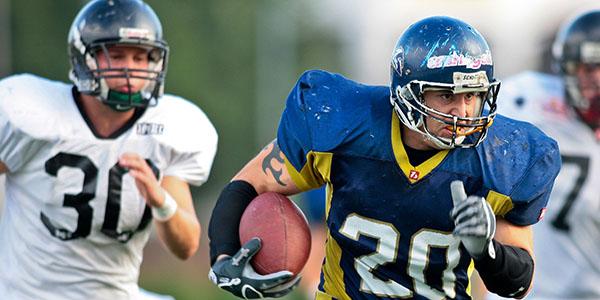
How to Manage Distractions In Sports
Article Summary: Athletes can cope with distractions in sports by training focus, using clear mental routines, and refocusing attention on what matters. Distractions from crowds, coaches, or parents can break concentration and trigger anxiety or self-doubt. When you learn to focus inward and stay mentally centered, you take control of your performance. The best athletes perform their at their peak when their minds are quiet and focused on the task, not the externtal noise around them.
Every athlete faces distractions during competition. Parents shout from the stands, coaches yell instructions during play, and crowds react to every mistake or good play. These external distractions make it difficult to focus on what matters—executing your skills and staying present.
Athletes who struggle to tune out distractions often lose focus, get frustrated, or lose confidence. One loud comment or reaction from the sidelines can throw off your rhythm and focus instantly. The problem is not the noise itself, but how you react to it. If you give distractions mind space, they will hurt you performance. The goal is not silence; the goal is to recognize and refocus your attention quickly.
Why External Distractions Affect Athletes Mentally
Your brain is wired to notice movement and sound. During competition, your focus shifts quickly between what you see, hear, and feel. When your mind processes a distraction—like a parent shouting or a coach giving constant feedback—you lose connection with your body and rhythm.
External distractions activate emotional reactions. A negative comment can trigger anger, embarrassment, or frustration. Those emotions lead to tension and mental clutter. The moment you pay attention to something outside yourself, your concentration breaks.
Many athletes also care deeply about what others think. They interpret every reaction as judgment or criticism. This creates performance anxiety and makes it harder to stay calm. The best athletes understand this truth: you can’t control the noise, but you can control your focus.
How Focusing Outward Hurts Focus
Focusing on external noise pulls you away from your performance mindset and what’s important to focus on. When you focus on others’ reactions, you give away control of your attentional focus. The mind becomes distracted by what people might be thinking rather than what needs to happen next.
You must train yourself to focus on what relevant for your performance. How you talk to yourself determines what you focus on. When your attention is outward, you lose connection with the present and your mind is not on performance. Great performances come from total absorption in the moment, not from worrying about meeting the expectations of people watching you perform.
How to Stay Focused During Competition
Managing distractions starts with awareness and practice. The key is to train your focus like any physical skill. These mental tools help athletes stay centered during competition:
1. Focus on What You Control
Distractions take your attention away from what matters. You can’t control what others say, how loud the crowd is, or what your coach yells from the sideline. What you can control are your preparation, effort, attitude, and focus. Before every practice or competition, remind yourself: “I control what I focus on, not the external voices.”
That mindset creates calm. It allows you to direct energy where it helps performance—your actions, decisions, and reactions. Each time you notice a distraction, ask: “Is this within my control?” If the answer is no, let it go. That’s how elite athletes stay composed under pressure.
2. Use Simple Focus Cues
Focus cues are short reminders that center your attention on the present task. When distractions appear, they give your mind something positive and actionable to hold onto. Good focus cues are brief, specific, and tied to execution.
Examples include “see the target,” “smooth,” “strong,” or “this play.” Pick one or two cues that work best for your sport. Repeat your cue as part of your routine before and during performance. When the noise rises, repeating your cue directs your attention back to the process. It replaces distraction with clarity. A cue focuses the mind, sharpens intention, and brings control back to the moment.
3. Use Breathing to Stay Grounded
Breathing is the simplest and most effective reset tool you have. Deep, steady breathing lowers heart rate, releases tension, and helps your body return to balance. Between plays or pauses in action, take one controlled breath. Inhale slowly through your nose, then exhale completely through your mouth. With each exhale, let go of the external noise.
Breathing helps your body stay relaxed so your mind stays sharp. The calmer your body, the more control you have over your attention. Many athletes use breathing as their first step in refocusing after mistakes or distractions. It’s your built-in tool to quiet the mind and reset concentration.
4. Accept Distractions, Don’t Fight Them
Fighting or trying to block out distractions often makes them worse. The more you try to block out noise, the more attention you give it. Your goal isn’t to silence the environment—it’s to keep it from controlling your focus.
Accept that distractions will always exist. Parents will cheer. Coaches will yell. Crowds will react. Instead of trying to push the noise away, acknowledge it without judgment. Think, “That’s just background.” Then shift your focus back to the task.
This acceptance frees mental energy that would otherwise be wasted on resistance. You can’t control the noise, but you can control how you respond to it. Acceptance keeps you calm and anchored in the present.
5. Develop a Narrow Focus
When your mind tries to process too much information, distractions slip in. Having a narrow focus solves this problem. By locking in on one small detail—like the ball, your breathing, or a single target—you leave less room for outside interference.
Narrow focus sharpens awareness and quiets the noise around you. It brings your attention back to what matters most in that moment. For example, a basketball player may focus only on the rim before shooting. A tennis player may lock in on the target before before the swing.
Practice narrowing your focus in training. Identify one performance cue that keeps you connected to execution. The more you train narrow focus, the faster you can refocus under pressure.
6. Practice Mental Resetting
No athlete stays perfectly focused for an entire game. The best athletes recover focus quickly when it breaks. A mental reset allows you to refocus before distraction grows into frustration.
When you lose concentration, pause briefly and take one deep breath. Use your cue word—something short like “next” or “refocus.” Let go of the previous play or mistake completely. Visualize moving forward with full attention. The faster you reset after a distraction, the faster you recover performance rhythm. Consistent resets create consistency in results.
How to Build Focus Routines That Block Out Noise
Focus routines give your mind structure under pressure. Without a routine, your thoughts drift and react to outside noise. With one, you have a predictable system to keep your focus steady.
Start with a pre-performance routine. This begins before competition and prepares your mind to stay composed. Include a short breathing exercise, mental cue, and a positive statement of trust. Enter competition ready to perform, not react.
During competition, use a between-play routine. After each play, take a quick breath, release emotion, and return attention to your next task. This routine should be short and practiced daily. When done consistently, it becomes automatic—even in noisy environments.
Finally, use a reset routine for moments when distractions break focus. This may include physical gestures like adjusting your equipment or stepping back briefly. Combine the gesture with your breathing cue and refocus phrase. These simple actions anchor your mind and signal your body to return to the task.
FAQ – How to Cope with Distractions
1. How can I stay calm when my parents yell from the stands?
Remind yourself that their noise is not your focus. Stay locked in on your next play and use a short breathing cue to stay grounded.
2. What should I do if my coach’s yelling distracts me during a game?
Accept that it’s part of the environment. Focus on your job in the moment, not their tone or emotion. Redirect attention to your next movement or routine.
3. How do I ignore negative comments from the crowd or opponents?
You don’t have to ignore them completely—just refuse to engage. Acknowledge the sound, refocus on your breathing, and go back to your focus cue.
4. Why do I lose focus more when I get frustrated?
Frustration tightens your body and narrows your awareness. Learn to release frustration quickly through breathing and positive self-talk before it grows.
5. Can I train myself to focus better with distractions?
Yes. Practice under simulated distractions in training—music, noise, or movement around you. The more you practice resetting with distractions, the better your control becomes.
Improve Your Ability to Cope with Distractions
When you learn to control your focus and stay mentally centered, distractions lose their power. If distractions are breaking your focus or hurting performance, book a free introductory mental coaching session:
<<Back to Sports Psychology Resource Hub



Become a Certified Mental Performance Coach with Peak Performance Sports.
Last Updated on May 17, 2026