
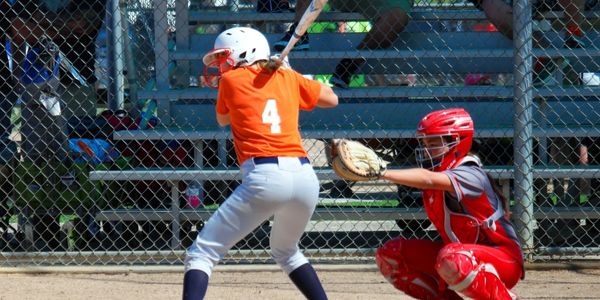
Why Athletes Overthink During Competition
Article Table of Contents
Article Summary: Overthinking in sports performance happens when pressure, fear, or expectations cause you to over-control skills that should feel automatic. This creates tension, slows reaction time, and disrupts confidence. You can stop overthinking by using process goals, pre-performance routines, breathing strategies, reset cues, and simplified self-talk. The key is trusting your training so you can play freely and compete with confidence.
Many athletes report that they feel relaxed and confident in practice, yet tight and hesitant during competition. The reason is overthinking. Pressure makes you question your preparation and try to control things that should already feel automatic.
Overthinking often comes from fear. Fear of mistakes, fear of disappointing others, or fear of poor results can lead you to analyze every move. Instead of trusting your training, you attempt to control performance by thinking too much. This extra thinking slows you down and increases tension.
You must remember that your body knows what to do in competition. Overthinking happens when you allow worry and fear to take over. The more you try to control performance with your thoughts, the harder it becomes to trust your skills and perform freely in competition.
How Overthinking Disrupts Automatic Performance
Sports performance relies on you being athletic and using what you have trained through repetition. Once you have practiced a skill thousands of times, your body can execute it without step-by-step instructions or self-coaching. When you overthink, you are coaching yourself and thus you interrupt this natural process.
For example, if you focus too much on the mechanics of your swing or stroke, you interfere with rhythm and timing. Skills that normally feel fluid become jerky and inconsistent. Overthinking breaks trust in muscle memory.
Overthinking your game also creates more body tension when you perform. The harder you try to control performance, the tighter your muscles become. This tension blocks speed, coordination, and flow. Instead of competing freely, you play tight and hesitant.
The brain cannot process multiple streams of information at once during competition. If you are worried about outcomes, mechanics, and outside opinions, you leave little space for execution. Overthinking shifts attention away from the present moment, which hurts performance in critical situations.
Common Ways Athletes Overthink
Overthinking in sports performance shows up in different ways. Each type of overthinking has a unique effect on your mind and body when performing. Recognizing your personal pattern helps you find the right solution.
Mechanics Overthinking
This happens when you focus too much on technique during competition. Instead of trusting your body, you micromanage every movement. For example, a golfer may think about grip, stance, and swing plane during the same shot. This overload destroys timing and trust.
Outcome Overthinking
Some athletes worry constantly about results during competition. You may think about winning, stats, or how mistakes will affect your record. When you chase outcomes instead of focusing on execution, pressure builds and mistakes become more likely.
Tactical Overthinking
In some sports, athletes overthink game strategy or tactical decisions. Instead of reacting naturally, you get stuck deciding between options, which leads to indecision and second-guessing. This hesitation leads to slow reactions and missed opportunities. Overthinking tactics prevents you from trusting instincts and getting into the flow during competition.
Worry About What Others Think
Another common form of overthinking is concern about approval or respect from others. You might worry about what your coach, parents, or teammates will think if you fail. This creates added pressure because you tie your performance to outside expectations instead of personal execution.
All four forms of overthinking have the same result. They pull your attention away from the present moment and block natural performance. The key is learning mental strategies that free your mind and restore trust.
Mental Skills to Stop Overthinking
Overthinking in sports performance can be managed with simple mental skills that keep your focus in the right place. These strategies help calm your mind, reduce tension, and allow automatic skills to come out under pressure.
1. Focus on Simple Objectives
Replace outcome thoughts with controllable execution cues. Use reminders such as “see the ball early,” “stay balanced,” or “attack with confidence.” Clear objectives give your mind something useful to focus on during competition so you are not distracted by outcomes.
2. Use Pre-Performance Routines
Routines anchor your mind and body before each play, shot, or point. A routine might include breathing, a physical adjustment, and a single focus cue. Consistent routines reduce overthinking by replacing doubt with structure.
3. Practice Breathing Control
Deep, slow breathing reduces muscle tension and mental clutter. Ken Rivizza said: “you cannot be anxious and focus on your breathing at the same time. Use a rhythm such as inhaling for four counts and exhaling for six. Breathing resets your body and clears your head before critical moments.
4. Develop Reset Cues
Create a simple physical or verbal cue that reminds you to let go of unnecessary thoughts or mechanical cues. Examples include snapping fingers, brushing your hands, or repeating a word like “trust.” Reset cues help stop overthinking instantly.
5. Keep it Simple
What you tell yourself during competition matters. Replace controlling thoughts with simple performance cues when performing. For example, as a golfer, you don’t want to stand over a shot with four swing thoughts as the body cannot process that. Instead, you want to have one swing or trigger thought only such as balance or tempo.
How to Trust Training and Play Freely
Trust is the opposite of overthinking. You have trained your skills through repetition, and now you must allow your performance to flow without mental interference. Playing freely means competing without micromanaging your skills, tactics, or second-guessing yourself.
You can build trust by practicing “trust drills” during training. In these drills, you perform without focusing on mechanics. For example, a basketball player might shoot ten free throws while only focusing on rhythm and breathing. This teaches you to rely on feel instead of over-analysis.
Confidence also grows when you remind yourself of preparation. Before competition, review the work you have already done. Tell yourself, “I have trained for this moment.” Preparation creates belief, and belief fuels trust during pressure situations.
Finally, learn to enjoy competition rather than fear it. When you focus on the opportunity to play, pressure loses its grip. Playing freely comes from gratitude, trust, and the decision to compete without fear of mistakes.
FAQ on Overthinking in Games
Why do I overthink in games?
You overthink in games because of pressure, fear, or perfectionism. Your mind shifts from trusting your training to trying to control performance. This habit slows you down and creates tension. Overthinking in sports performance is common, but with mental skills you can train yourself to stay calm and focused.
How can I clear my head quickly?
The fastest way is to use a reset routine. Take a slow breath, use a cue word, and focus on one simple process goal. This stops racing thoughts and helps you return to execution. Practicing reset routines daily makes them automatic when pressure rises in competition.
Is overthinking always bad?
Not always. A little bit of thinking before competition helps you prepare and make adjustments. But once the game begins, overthinking hurts performance. You want to plan before competition, then simplify during execution. In games, trust and freedom produce better results than control and hesitation.
Why do I play better in practice than competition?
You play better in practice because there is less pressure, fewer expectations, and lower consequences. You allow yourself to perform without fear of mistakes. In competition, pressure shifts your focus toward outcomes, mechanics, or approval. The solution is to treat competition more like practice by using routines, process goals, and trust drills.
How do professionals stop overthinking?
Professionals train their mental game just as much as their physical skills. They use pre-performance routines, visualization, and self-talk to quiet the mind. Pros also focus on preparation and trust, reminding themselves of the countless hours of practice behind them. They understand that freedom and trust lead to peak performance, not constant analysis.
Get Help Today
If overthinking is holding you back, you can learn strategies to quiet your mind and compete with trust. Overthinking in sports performance does not need to control you anymore. When you train mental routines and focus strategies, you play with freedom and confidence.
We help athletes master the mental game so they stop over-controlling and start trusting themselves. If you are ready to perform your best without fear or hesitation, book a free session today. Together we will train your focus, build trust, and free your mind to play at your highest level.
<<Back to Sports Psychology Resource Hub



Become a Certified Mental Performance Coach with Peak Performance Sports.
Last Updated on May 17, 2026