
By Dr. Patrick Cohn, founder of Peak Performance Sports. Reviewed June 2026.
When I started mental training in the late 1980s with professional golfers and collegiate teams, qualified mental game coaches were hard to find. Today you have plenty of options to choose from, some good and some not. This guide will help you tell the difference and find a sports psychologist who fits your needs.
Quick answer: To find a top sports psychologist or mental coach, look for a professional with a proven track record helping athletes at your level, hands-on experience as an athlete or coach, and recognized training or certification in mental performance. A Ph.D. or psychology license helps but isn’t required. You can meet in person or work together online by video.

Back in the 1980s and 1990s, only a handful of top sports psychologists and mental game coaches worked in the field, including Bob Rotella, Ken Ravizza, and Jim Loehr. I learned from each of them, and several others, as a graduate student at Cal State Fullerton, the University of Virginia, and at conferences.
Today many people call themselves a mental coach, peak performance expert, or sports psychologist without the qualifications to back up the title. From my 25-plus years as a student of sport psychology and a mental training specialist, the most important factor is finding a mental game expert who has coached athletes at every level, not only professionals.
You don’t need a sports psychologist who specializes in your exact sport, though sport-specific coaches do exist. I began my career working mostly with golfers and found it easy to adapt to other sports. Today I coach athletes across every sport. As long as your mental coach works in or understands your sport, he or she can help you.
What to Look for in a Sports Psychologist
What qualifications should you look for? First, does the coach work with athletes you know, with at least a two-year track record of improving the mental game? Second, does the coach have experience as an athlete, coach, or sports parent? It isn’t essential, but in my opinion a coach with sport experience understands your needs better than a psychologist who moved into sport psychology without ever competing or coaching.
Does a top sports psychologist need a Ph.D. or a psychology license? No. I know excellent mental game experts who get results for their athletes without a license or a doctorate. A university Ph.D. is mainly a research or teaching degree, not an applied sport psychology credential.
Do you have to meet your coach face to face? Some athletes and parents still prefer it, but video calls have changed that. I work with athletes by video even when they live across town, because they save travel time and the sessions feel much like meeting in person.
How to Find a Qualified Mental Game Coach
Start by researching online and talking with athletes and coaches who have worked with a mental training expert. You will also find qualified sport psychology professionals teaching at major universities. Contact a school’s department of Kinesiology, Physical Education, or Human Performance. Some psychology departments now run sport psychology programs too. You can also look for professionals who hold a recognized mental coaching certification, such as Peak Performance Sports’ certified Mental Game Coaching Professionals (MGCP). Be careful, though, because certification programs vary widely in standards and quality.
Based on my experience as a student of sport psychology and now a Mental Game Coaching Professional, here are the top sports psychologists and mental game experts I recommend. This is not a complete list, but these are people I know personally and would recommend to any athlete, coach, or parent who asked.
Top Sports Psychologists and Mental Game Experts
Dr. Ken Ravizza

Dr. Ken Ravizza retired as a professor of applied sport psychology at California State University, Fullerton, and was one of the top peak performance consultants in the world. I studied with Ken for my master’s in sport psychology at CSUF. He specialized in stress management, coping strategies, and peak performance, and worked with leading athletes, organizations, and coaches including the New York Jets, Los Angeles Angels of Anaheim, Los Angeles Dodgers, LA Galaxy, and the Toronto Argonauts. Watch Ken Ravizza’s videos and interviews.
Dr. Bob Rotella
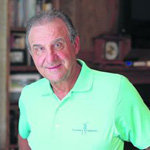
Dr. Bob Rotella has coached more than 74 winners of major championships in men’s, women’s, and senior professional golf. He also works with champions in tennis, baseball, basketball, and other sports. His book Golf Is Not a Game of Perfect is the best-selling golf psychology book of all time and one of the three best-selling golf books in history. I earned my Ph.D. at the University of Virginia in the late 1980s, studying under Bob before he retired from teaching.
Dr. Jim Loehr

Dr. Jim Loehr has worked with hundreds of world-class performers from sport, business, medicine, and law enforcement, including Fortune 100 executives. Later in his career he focused more on corporate clients such as Procter & Gamble, The Estée Lauder Companies, Dell, the FBI, GlaxoSmithKline, PepsiCo, and Citigroup Smith Barney. His athletes have included golfers Mark O’Meara and Justin Rose; tennis players Jim Courier, Monica Seles, and Arantxa Sánchez Vicario; and boxer Ray Mancini. He is well known in the tennis community for his work with top professional players.
Tim Gallwey
Tim Gallwey was practicing sport psychology before anyone called it that. In the mid-1970s he wrote a series of best-selling books, including The Inner Game of Tennis and The Inner Game of Golf, introducing a new approach to personal and athletic excellence. For the past twenty years Gallwey has brought the Inner Game method to companies such as AT&T, IBM, Arco, Anheuser-Busch, Apple, and The Coca-Cola Company. Today he helps teams work together more effectively.
Dr. Robert Nideffer

Dr. Robert Nideffer is the founder of Enhanced Performance Systems. He has written several sport psychology books and more than 100 research articles. His first book, The Inner Athlete, was published in 1976, and he later wrote Psyched to Win and The Ethics and Practice of Applied Sport Psychology. He has worked with Olympic teams in the United States, Canada, and Australia, and served as a sport psychologist at the 1984 and 1988 Olympic Games. He created the Attentional and Interpersonal Style assessment (TAIS), a tool used worldwide in sport, business, sales, and the military.
Jim Fannin

Jim Fannin is an author, professional speaker, former professional tennis player, and a sport and business consultant. With more than 35 years of coaching, consulting, and speaking experience, he has coached champions across sport, business, and life. As a mental performance coach to some of the world’s top athletes and company CEOs, he is known as the “Change Your Life” coach.
Pia Nilsson

Pia Nilsson is world-renowned as co-creator of the VISION54 approach and best-selling author of The Complete Golf Coach. She co-wrote Every Shot Must Have a Purpose, The Game Before the Game, and Play Your Best Golf Now, and Golf Digest named her the number one ranked woman teacher in America in 2010. Pia works with Lynn Marriott, also recognized worldwide as a co-creator of VISION54 and a best-selling co-author and coach.
Dr. Patrick Cohn

That’s me. I’m the president and founder of Peak Performance Sports, LLC, in Orlando, Florida. We provide mental toughness training for individual and team athletes. I also mentor other coaches and psychologists through the MGCP certification program, which I launched in 2004 as the first of its kind. As a mental toughness specialist, I’ve worked with many high-profile athletes and teams, including the Miami Dolphins, NASCAR winners, NHL players, national motocross champions, and PGA Tour golfers such as Brian Watts and J.L. Lewis.
Frequently Asked Questions
Do you need a Ph.D. or license to be a sports psychologist?
No. Many effective mental game coaches get strong results without a license or a doctorate. A Ph.D. is mainly a research or teaching degree, not an applied sport psychology credential. Focus on the coach’s track record with athletes rather than the letters after their name.
What should you look for in a sports psychologist?
Look for at least a two-year history of helping athletes improve the mental game, experience as an athlete, coach, or sports parent, and a recognized mental coaching certification such as the MGCP. A coach who has competed or coached often understands your situation better.
Can you work with a sports psychologist online?
Yes. Video sessions by Skype, FaceTime, or Zoom work well and feel close to meeting in person. Many athletes choose online sessions to save travel time, and you can work with a qualified coach anywhere in the country.
Do you need a sports psychologist who specializes in your sport?
Not necessarily. Sport-specific coaches exist, but most mental game skills transfer across sports. As long as your coach works in or understands your sport, he or she can help you perform under pressure.
What is the difference between a sports psychologist and a mental game coach?
A licensed sports psychologist can treat clinical mental health conditions, while a mental game coach focuses on performance skills like confidence, focus, and composure. For improving performance, the most important factor is proven experience helping athletes, not the title.
Other Mental Coaching Resources
- See a list of certified mental game coaching professionals.
- Read about Dr. Cohn’s sports psychology coaching programs.
- Learn more about how sports psychology works.
- Contact us or call 888-742-7225 to ask about mental training for athletes or team seminars.
Read Testimonials | Listen to Success Stories | Get Free Sports Psychology Tips
Related Articles
- The Role of a Sports Psychologist
- How to Find Top Sports Psychologists
- About Sports Psychology
- Sports Psychology Coach
- Why Choose Peak Performance Sports?
- Mental Strength Coaching
- What is a Mental Performance Coach?
- More Sports Psychology Articles
- Mental Health for Athletes
- Mental Performance Coach on TikTok
- Online Sports Psychology Sessions
Last Updated on July 28, 2026