
The Unseen Challenge for Athletes
Article Table of Contents
Article Summary: Mental health struggles in athletes are often hidden. Stigma and pressure push athletes to stay silent, even as stress, anxiety, and fear build. High-profile athletes like Naomi Osaka and Michael Phelps highlight the toll of constant pressure. Burnout, fear of failure, and emotional struggles are common but rarely discussed. Mental skills training gives athletes tools to manage stress, focus, and recover. These skills apply both in sport and in life. Speaking up and seeking support is key to protecting long-term mental health. At Peak Performance Sports, we help athletes develop mental skills to perform with confidence and balance.
“I don’t talk about it. I don’t want others to know my issues!” Many athletes feel the need to cover up the fact that they struggle with mental health in sports and life. The negative stigma attached to mental health or psychology prevents many athletes from seeking help. Part of the problem is that others see athletes as warriors. And athletes often buy into the gladiator syndrome where they can’t do wrong. And of course, you hear stories of athletes who overcame the odds to reach the pinnacle of their sport.
Mental health in athletics is coming to the forefront in the media lately. You hear interviews of Olympic athletes and champions, such as Michael Phelps, opening discuss the obstacles they’ve had to overcome to reach the pinnacle of their sport: physically grueling training, endless hours each week pushing their bodies to the max, regimented diets, long hours of travel, working through an injury, limited time for social activities and self-sacrifice.
Blood, sweat, and tears are the badges of courage and triumph. Unfortunately, some athletes who pay attention to every detail of being an elite athlete sometimes don’t pay attention to their mental health. Mental health issues are just not cool to discuss for athletes who are in the public eye.
Mental Health Can Be Unseen by Athletes
The most significant mental health struggles in athletes’ lives are unseen, those bubbling under the surface. Athletes are viewed with such awe, but the unseen mental struggles are real, emotionally overwhelming, and mentally taxing. Some athletes are driven to burnout. Other athletes are forced to take time out from competition.
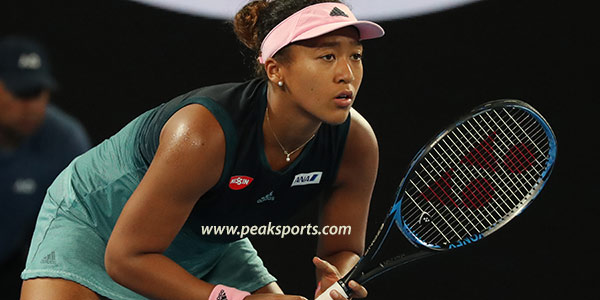
A recent high-profile athlete who struggles with mental health is WTA tennis player Naomi Osaka, a four-time Grand Slam champion. She, and others before her, have brought widespread attention to the mental health issues of athletes. At the 2021 French Open, Osaka announced she would not participate in any press commitments citing mental health concerns and eventually withdrew from the tournament. And recently Osaka withdrew from Wimbledon in advance of the tournament, another major in the WTA circuit.
Osaka called into question the scrutiny of the press, the WTA mandatory rules for doing interviews, and the effects on the player’s mental health. “We’re often sat there and asked questions that we’ve been asked multiple times before or asked questions that bring doubt into our minds, and I’m just not going to subject myself to people that doubt me,” she said.
Why Athletes Hide
Some athletes hide, not wanting anyone to see mental health as a weakness. These athletes will dedicate their focus into training so that they don’t have to think of the mental health challenges they experience within sports and life.
While mental toughness is a revered quality in athletes, mental health may be just as critical. More than winning medals or having your name in the local newspaper. In one sense, some athletes feel a sense of control when training and competing yet feel helpless and hopeless outside of sport.
You see, athletes are people too. And just like any person, athletes have similar mental health issues in their life including depression, anxiety, fear, loneliness, and helplessness. Spain National Team soccer player Alvaro Morata emphasized the need for all people, inside and outside of sport, to take care of their mental health.
“I think it’s important, not just in football but in any job people might have. It’s true that many mental health issues, anxiety, depression, aren’t considered with the seriousness they should be. It’s a problem,” said Morata. Morata went on to say that sport impacts your personal life, so it is necessary to have a sounding board to process your emotions and feelings. “When you draw a game, you deserve to win; it’s normal that it’s hard to sleep afterward, with the adrenaline. I talk to [the team psychologist] a lot about everything,” he said.
Athletes Are Under Greater Levels of Stress
All people experience stress and expectations in their life. But life and sports for athletes can be even more stressful when you add the public scrutiny athletes feel from social media and the media. Athletes need support groups and outside resources to help them deal with the pressure, manage expectations, share their stories, vent about losing, and communicate their needs.
Of course, counseling and psychotherapy is an option for athletes, especially for athletes experiencing severe mental health issues. For other athletes battling the mental and emotional demands in sport, a sport psychologist or mental game coach can be a tremendous resource.
At Peak Performance Sports, we help athletes manage the pressure and expectations they feel within the world of sport. We help athletes learn and develop practical mental skills to empower them to overcome the challenges they feel as high-profile athletes or the pressure they feel from teammates and coaches to be great all the time. However, the mental skills we teach apply to life outside of sport as well. In other words, mental skills are life skills. If you consider sport a microcosm of the world we live in, learning mental skills can prove invaluable in life too.
Mental Skills Helps Athletes’ Mental Health
When athletes learn mental skills for sports, they have more tools to resolve current challenges and proactively counter future obstacles in sport and life. Mental skills help athletes with the stress of competing, but the same mental strategies can apply to life outside of sport.
For example, learning a coping or relaxation strategy can help an athlete focus during competition. The same strategy can help alleviate test anxiety or improve sleep. Learning emotional control can help athletes let go of past loses or mistakes. The same “letting go” strategy can help minimize negative feelings about others.
Communicating effectively with coaches can help athletes express their feelings instead of ignoring needs or burying feelings. Managing the high expectations athletes feel from coaches or parents is part of the mental health challenges athletes experience. When athletes can overcome a “people-pleasing” mindset (what we call social approval) and focus their own goals, they are empowered to have more fun and feel less pressure.
Dealing with the fear of failure is very common in our work with athletes and is a core issue for athletes. Fear of failure is often crippling for athletes because they worry too much about what others think of their performance and it ruins the enjoyment of competition. When athletes learn focusing strategies, this can improve the quality of life in sport and life.
Mental Skills Athletes Learn to Cope
Many mental game skills and life skills (managing time, building healthy relationships, dealing with worry, overcoming perfectionism, dealing with disappointment) are important skills that can improve the overall mental health of athletes today. Developing mental skills is essential to overcoming setback and pressure in life, minimize stress, and maximize potential.
Robin Scholefield, Ph.D., Director of Culture, Wellbeing & Clinical and Sport Psychological Services at the University of Southern California, believes in a holistic approach to grow as both an athlete and individual. “The whole, healthy person is the most consistent peak performer. If you’re not right with yourself, you’re not going to be OK as an athlete,” she said.
Life stress can add to athletic anxiety, and athletic stress can increase life stress. Separating the two is impossible. To manage your mental health, as an athlete and individual, you need to take control of your life and the stressors you feel in sports and life. Remember, achievement, success, and personal records are worthy of acknowledgment, but never at the expense of your mental health.
So, speak up. Take care of all your needs in sports and life. When you remain silent about your fears and negative emotions, your mental health is in jeopardy. Talk with someone. Develop a support group to help you through the ups and downs of athletics. Dealing with mental health should always be an important goal for athletes who often feel under greater stress from the rigors of competition, expectations, and the scrutiny of being in the public eye.
FAQ: Mental Health in Athletes
- Why do athletes hide mental health struggles?
Many fear being seen as weak or worry about stigma. Athletes are often viewed as warriors, which makes admitting struggles difficult. - What mental health issues affect athletes most?
Common issues include anxiety, depression, burnout, fear of failure, perfectionism, and social pressure from coaches, parents, or media. - How can mental skills training support mental health?
Mental skills help athletes manage stress, focus under pressure, control emotions, and build resilience. These tools apply both in sport and life. - Why is fear of failure so common in athletes?
Fear of failure grows when athletes tie self-worth to results. They worry about letting others down or being judged for mistakes. - When should athletes seek outside help?
Athletes should reach out when struggles affect daily life, confidence, or enjoyment of sport. Support from psychologists or mental coaches can make a major difference.
Related Articles:
- The Role of a Sports Psychologist?
- How to Find Top Sports Psychologists
- About Sports Psychology
- Sports Psychology Coach
- Why Choose Peak Performance Sports?
- Mental Strength Coaching
- What is a Mental Performance Coach?
- More Sports Psychology Articles
- Mental Health for Athletes
- Mental Performance Coach on TikTok
- Online Sports Psychology Sessions
- Top Mental Game Questions Athletes Ask
Get Certified as a Mental Game Coach
If you are a sports psychologist in training, sports coach, life coach, therapist or psychologist, you learn how to improve mental toughness in athletes! Learn Dr. Cohn’s proven mental coaching system for instilling confidence and success in athletes!
You’ll tap into Dr. Cohn’s 30+ years of experience as a mental game coach to junior to professional athletes. A one-of-a-kind mental coach certification course, the Mental Game Coaching Professional (MGCP) program teaches you how to do assessments and teach mental toughness skills.
In addition to a license to use the AMAP, participants learn from video case studies, sessions summaries, mental training worksheets, and much more!
In the 10-week mental coach certification course, you meet with other professionals and Dr. Cohn live via video conference technology to discuss what’s working with athletes today.
You will get practical, expert mental coach training as you learn how to do assessments, teach mental training strategies to athletes, and respond to over 18 case studies in the course. Apply today to the MGCP certification program and get certified as a Mental Game Coaching Professional.



Last Updated on May 31, 2026